LABORATORY BIOSAFETY CABINET
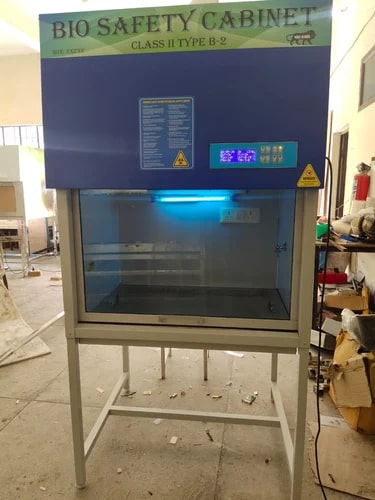
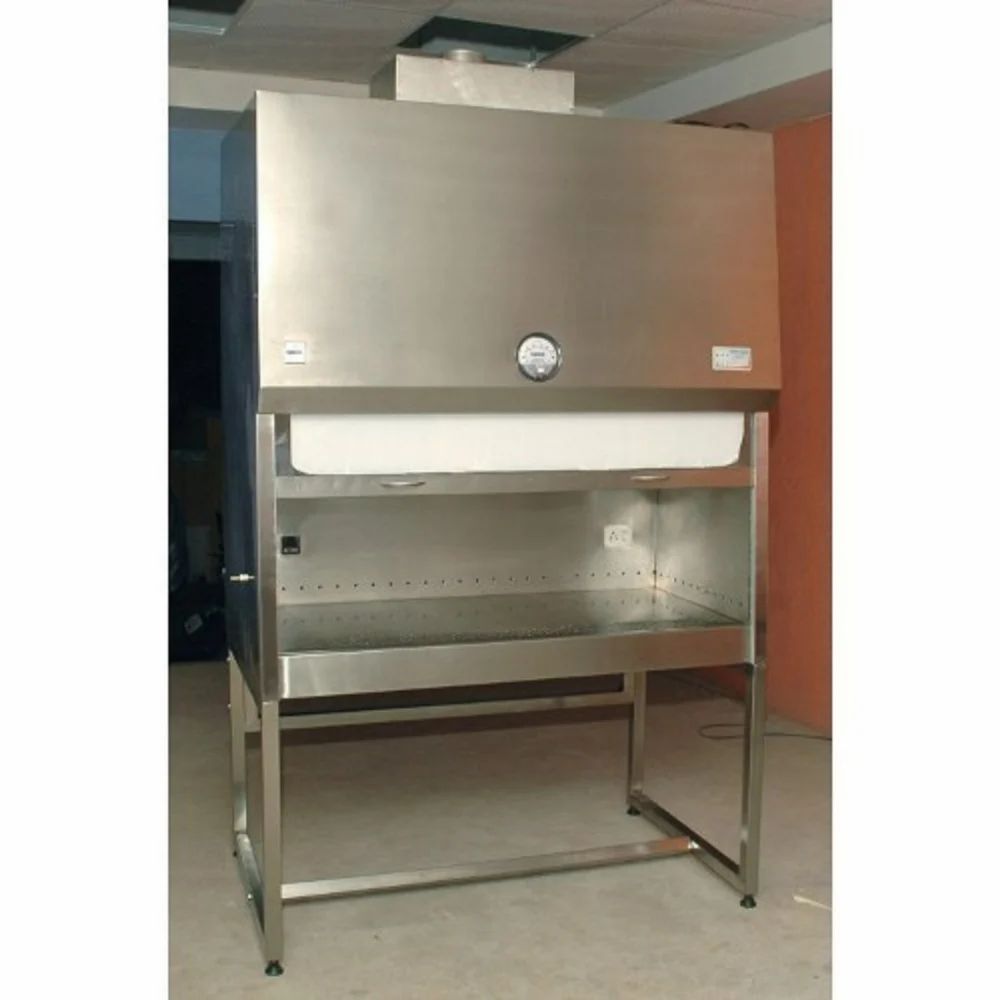
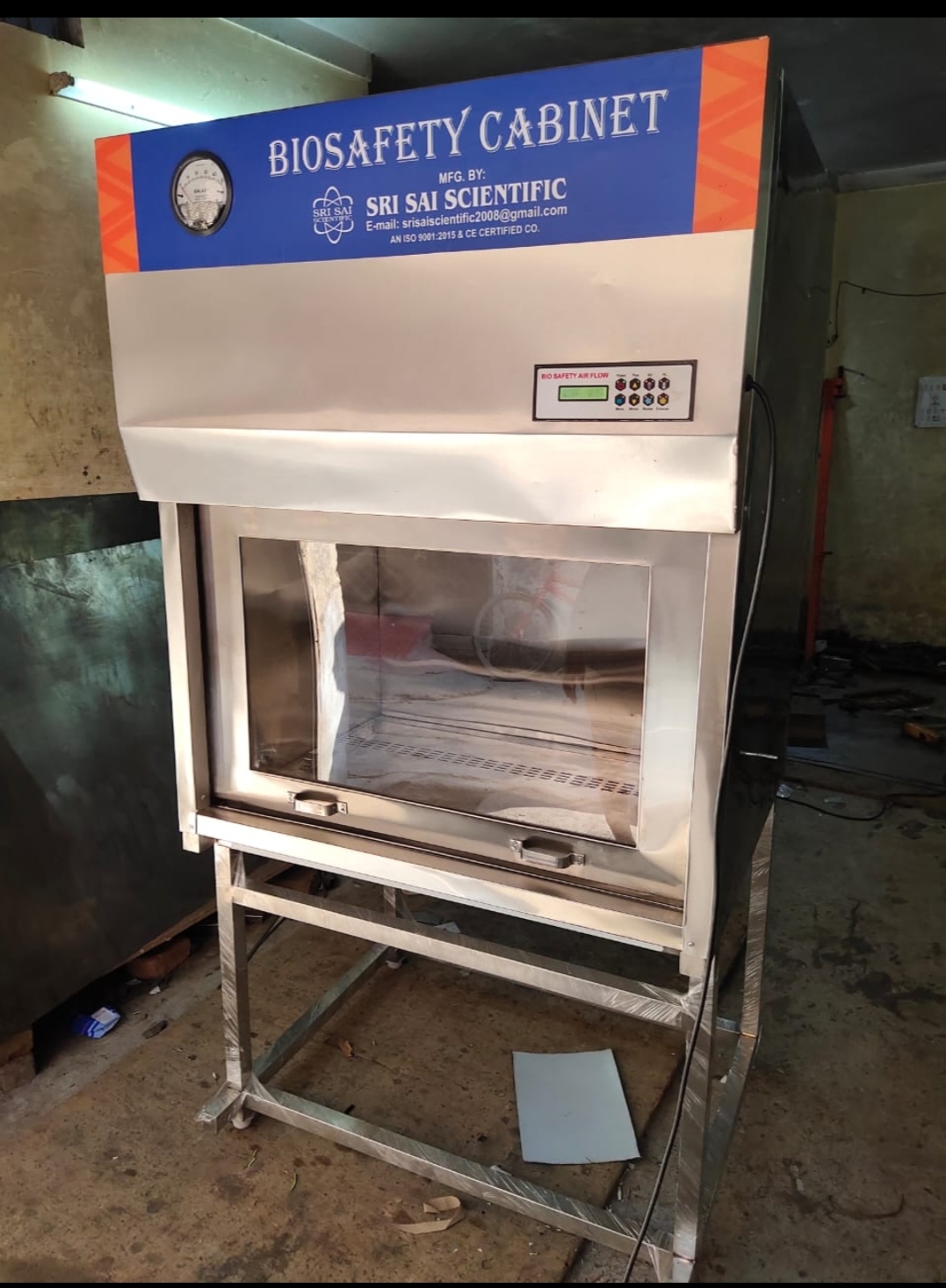
Biosafety cabinets (BSCs) are essential for protecting laboratory personnel and the environment from hazardous biological agents, with specifications varying by class and intended use.
General Specifications: -
Type and Class:
Class II A2: This type of cabinet recirculates 70% of the air and exhausts 30% to ensure a sterile work environment while protecting the user and the environment.

Airflow and Filtration:
HEPA/ULPA Filters: Must have HEPA filters with a minimum efficiency of 99.995% at 0.3 μm particle size, or ULPA filters with 99.9995% efficiency for smaller particles.
Airflow Velocity: Inflow velocity should be around 0.40 m/s, and downflow velocity should be approximately 0.30 m/s to maintain safe working conditions.

Safety Features:
Microprocessor Control: Equipped with a microprocessor controller that displays real-time inflow and downflow air velocities on an LED display, along with alarms for filter failure and airflow issues.
UV Light: Programmable UV light for decontamination, with an automatic shut-off feature when the cabinet doors are opened.
Noise Level: Should operate at a noise level of less than 70 dB(A) to ensure a comfortable working environment.

Construction and Design:
Material: Made of stainless steel with smooth surfaces to prevent cuts and facilitate cleaning.
Sash Opening: The front window should have a sash opening of 10 inches and be made of laminated safety glass to contain hazardous materials.
Accessibility: The interior should be designed for easy cleaning without removing the front window.
Energy Efficiency: The cabinet should consume less than 200 watts during operation and have a reduced energy mode for maintenance. It should automatically reduce fan speed to 30% when the sash is closed to save energy.